
As newly built ships become larger, dredging has become an important part of how ports grow and stay operational. Mostly, larger ships need deeper water, which means ports need to expand and deepen their channels. So, getting ready for the busy boating season is important for keeping customers happy and ensuring marinas run smoothly. The off-season can be the best time for the marina managers to check what worked well, improve their plans, and prepare staff and facilities for the upcoming busy months.
Check out Why Regular Dredging Is Essential for Marina Profitability
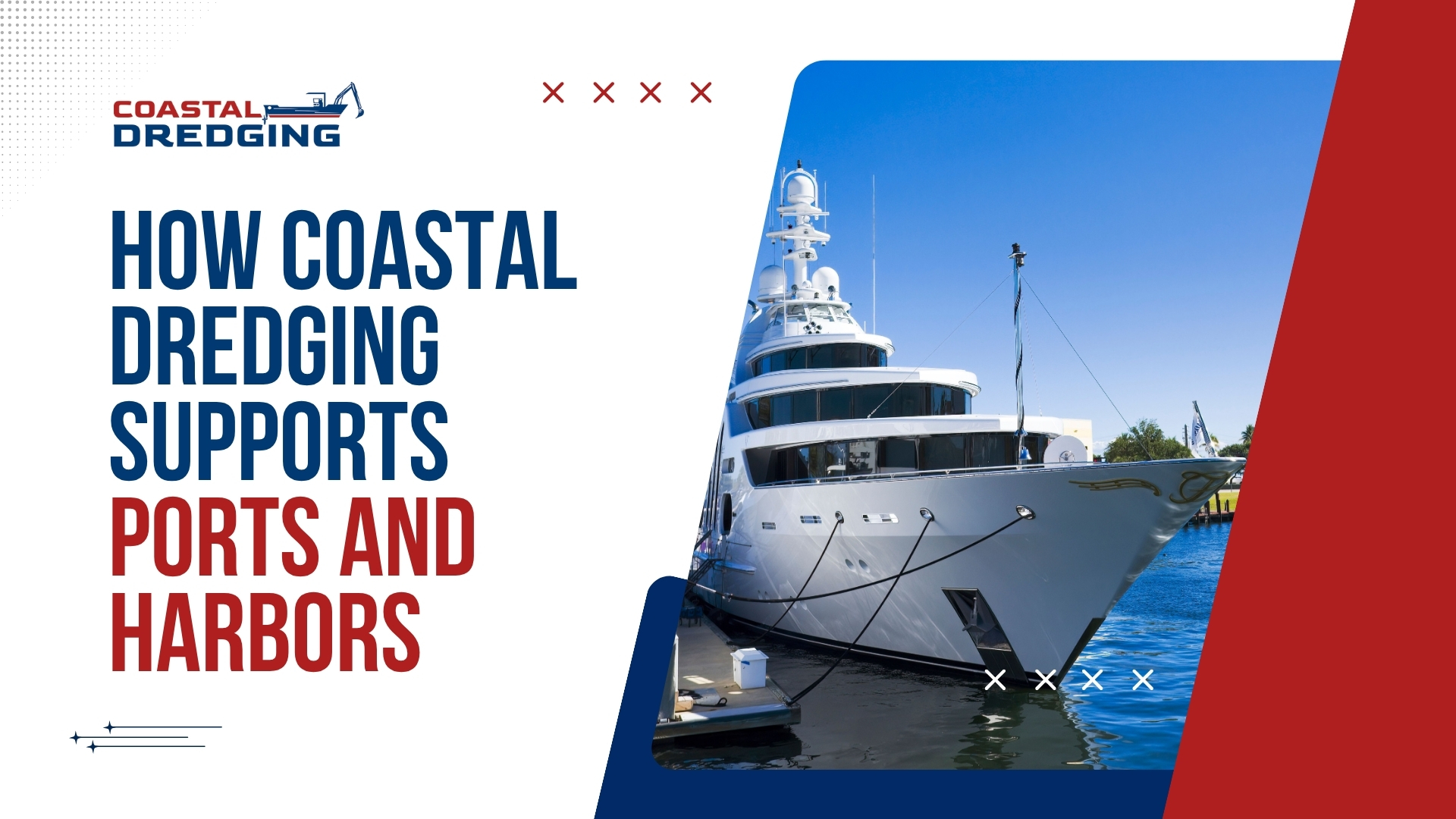
The Impact of Dredging On Port Operations
Maintenance dredging is an important part of keeping ports running smoothly. It helps maintain the needed water depth in the canals and approach channels so ships can move safely. Over time, sediment builds up, reducing the water depth. That’s where dredging removes sediment to maintain the required channel depth and safe navigation.
Ports are designed with a specific depth that is usually decided during the planning stage. The depth includes the maximum draft of ships that use the port and the extra space under the ship. It ensures safe movement even if the water conditions are difficult.
Another key factor is the depth limit. It ensures that marina dredging does not go too deep near the structures, like wharves. When ships become larger, ports usually need to be deepened. However, digging too deep near these structures can weaken them. So, it is important to follow the strict limits.
Principles of Scheduling Dredging Work
Dredging work needs to be planned carefully so it can be carried out without affecting normal port operations. A good schedule should consider factors like keeping ship traffic moving smoothly, setting up the right priorities for the work, finishing the project on time, and reducing disturbances on the port terminals. It should also aim to limit noise and environmental impacts.
An important factor is ship traffic in the area. The success of a dredging project depends on how frequently and how long ship movements are interrupted when work is being carried out. The main goal is to create a schedule that allows dredging to be done effectively with as few disruptions as possible.
There are different ways to manage dredging and ship traffic. In some cases, dredging is given a full priority, which means ships cannot pass through the work area until the job is finished. It usually happens in special situations, when building a new channel or handling an emergency like a grounded vessel. At the other extreme, ship traffic has priority, and dredging should pause whenever vessels need to pass. It is even common during routine maintenance or in ports with lower traffic.
Is Marine Dredging Worth It? Here’s Real Return on Investment
How To Schedule Dredging During Off-Season
Check Last Season's Performance
You can start by checking how your marinas performed last season to know what worked well and what needs improvement. To make it simpler, you can create an occupancy data that shows busy periods, slower times, later arrivals, cancellations, or extended stays on a monthly and weekly basis.
You can even ask your customers to leave feedback on Google Maps and boating forums, or go with the survey responses from both regular and visiting boaters. Now, look at areas like cleanliness, amenities, dredging, and security on those platforms to identify where changes are needed.
On the financial side, you can compare income from the slip rentals with other services like maintenance, fuel, and retail. It can help you know which customer segments are more profitable.
Check for the costs, such as staffing, utilities, and repairs, to highlight ways to save money. Use all these details to set realistic goals and plan your off-season dredging effectively while ensuring improvements focus on the areas that matter most.
Smart Planning for Marina Occupancy
When you want to get ready for the season, you need to plan for how busy your marina will be. Think of an estimate for the occupancy when deciding on the dredging, staffing, budgeting, and promotions. Check the data from the past two or three seasons to understand patterns and predict how busy the season will get.
Make sure to consider local events you can host, such as fishing tournaments, as these can bring a short-term boost in demand. It is also useful to stay updated on industry trends by reading boating publications, attending different events, and connecting with other marinas or tourism groups to see if the boating demand is increasing or falling.
Any changes in the customer preferences, such as more people using smaller boats, can also affect how you plan your slips and marketing. You can consider taking advance bookings. It can help you to stay updated with the market trends.
Also, consider weather patterns. For example, when planning dredging, staff schedules, and supplies, an early warm spring can be the right time. The right forecasts can organize your teams, set pricing, and assign slips. It leads to a smoother and better experience for your customers.
Here is What to Expect Before, During, and After a Marine Dredging Project
Environmental Considerations
When the temperature drops below freezing and ice starts to form, dredging can still continue. It is possible if the ice is thin. However, when the ice gets thicker, it puts an extra strain on the anchor points and cables. These can limit how well the dredge can operate.
The dredging experts also check the weather, as very cold conditions overnight can cause the dredging to freeze in place. Another important risk is ice building up on the equipment during winter storms. It can add weight to the equipment and may lead to serious problems if not managed properly.
Weather Conditions
It is important to stop water from freezing inside your pipeline overnight. It can make it difficult to start your next day. One simple way to prevent such a situation is to disconnect the low sections of the pipelines at the end of the day to drain any trapped water.
In very cold weather, you can keep the dredging engine running at a low level overnight with the pump on, so water can keep moving through the pipeline and does not freeze. In some cases, the pump can also push small amounts of ice through the line if needed.
Make the Most Out Of Your Off-Season Months
When the boating season comes to an end, you need to focus on taking care of your marinas during the off-season. Winter preparation helps keep your marinas in good condition and ready to operate when the weather warms up again. Simple steps discussed above can save you time, effort, and money later on.
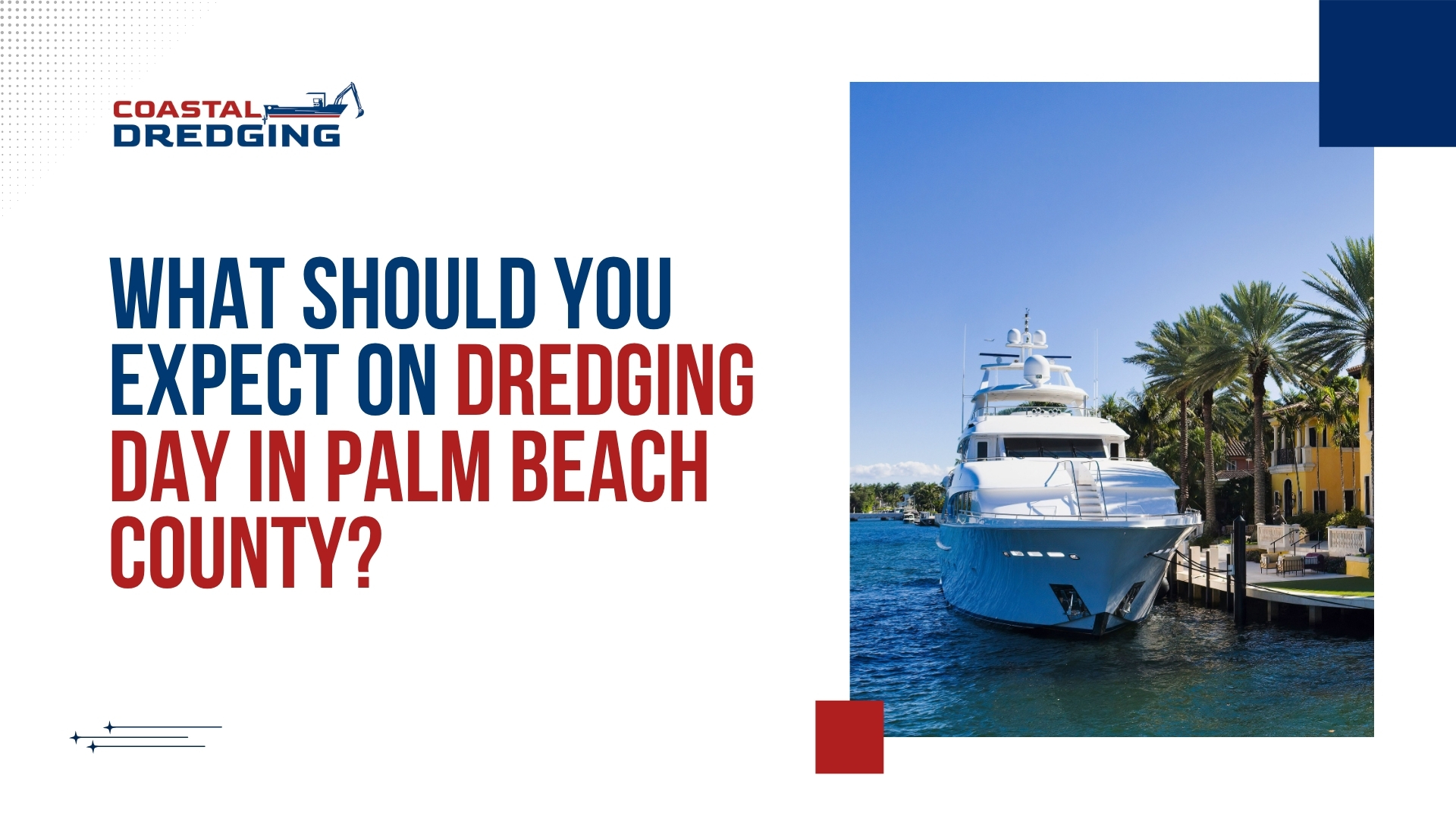
If you are looking for the experts who can take care of everything, the contractors at Coastal Dredging can do the job for you. You can trust us for the reliable, efficient, and environmentally responsible dredging solutions in Palm Beach County, Florida.